









The Lifter
Agentic AI platform that builds complete understanding of legacy systems to accelerate modernization and reduce technical debt.
The story
Overview
The Lifter is an agentic AI platform that automates the understanding and modernization of legacy enterprise systems. It addresses the core challenge that 40% of IT budgets are consumed by technical debt and modernization projects cost 20% more due to legacy complexity. The platform uses AI agents to perform three key functions: reverse engineer legacy code to uncover dependencies and business logic, preserve data meaning during migrations, and validate changes through impact-based testing that reduces false positives.
The platform is designed for architects, data leads, CTOs, QA owners, and engineering teams who need to modernize complex, undocumented systems safely and efficiently. It operates through three integrated modules (Legacy Lifter, Data Lifter, and Test Lifter) that work together to map systems, extract intent, and validate changes. The Lifter runs on-premises with private or open-source LLMs, ensuring complete data security and control.
Built from 8 million engineering hours of real modernization experience at Indium, the platform combines AI-driven analysis with human expertise to guide critical decisions. Users report 15x faster system analysis, 40% lower engineering effort, and significantly accelerated modernization delivery. The platform integrates team expertise to align modernization with business goals and constraints, keeping humans in control at every step of the process.
Key features
Legacy Lifter
Maps dependencies, uncovers embedded business logic, and designs with certainty to reduce technical debt before it compounds.
Data Lifter
Understands schemas and semantics to preserve business meaning and validate data before go-live during migrations.
Test Lifter
Delivers impact-based testing with self-healing capabilities and real-world validation to reduce false positives and ship with confidence.
On-Premises Deployment
Runs with private and open-source LLMs to keep codebases secure and entirely under user control.
AI Agents with Human Oversight
Combines AI-driven analysis with expert engineers in the loop to validate risk and guide critical modernization decisions.
System Intelligence
Extracts intent into plain English and provides deep visibility into dependencies, logic, and semantics across legacy systems.
Use cases
- 1
Enterprise Architects
Plan refactors or system retirements with complete understanding of dependencies and embedded business logic.
- 2
Data Engineering Teams
Run migrations with preserved business meaning and validated data integrity before go-live.
- 3
CTOs and Program Leaders
Gain clarity on legacy complexity before committing to large modernization programs and reduce technical debt.
- 4
QA and Testing Teams
Validate complex changes with impact-based testing that produces reliable results and reduces false positives.
FAQ
What is The Lifter?
The Lifter is an agentic AI platform that automates the understanding of legacy systems to accelerate modernization. It maps dependencies, uncovers business logic, and validates changes through three integrated modules: Legacy Lifter, Data Lifter, and Test Lifter.
How does The Lifter reduce modernization costs?
The platform addresses three cost drivers: it eliminates reverse engineering effort (which consumes 58-70% of developer time), prevents data migration failures (which cause 83% of migrations to fail), and reduces false positives in testing (which occur in 72% of automated tests).
Can The Lifter run on-premises?
Yes, The Lifter runs on-premises with private and open-source LLMs, keeping your codebase secure and entirely under your control.
What results can enterprises expect?
Enterprises using The Lifter have achieved 15x faster system analysis, 40% lower engineering effort, and significantly accelerated modernization delivery.
Who should use The Lifter?
The platform is designed for architects planning refactors, data leads running migrations, CTOs needing clarity before large programs, QA owners validating complex changes, and engineers tired of manual archaeology.
Tech stack & tags
Feedback & Discussion
Discussion
Sign in to leave a comment or rating.
No comments yet. Be the first.
More AI tools

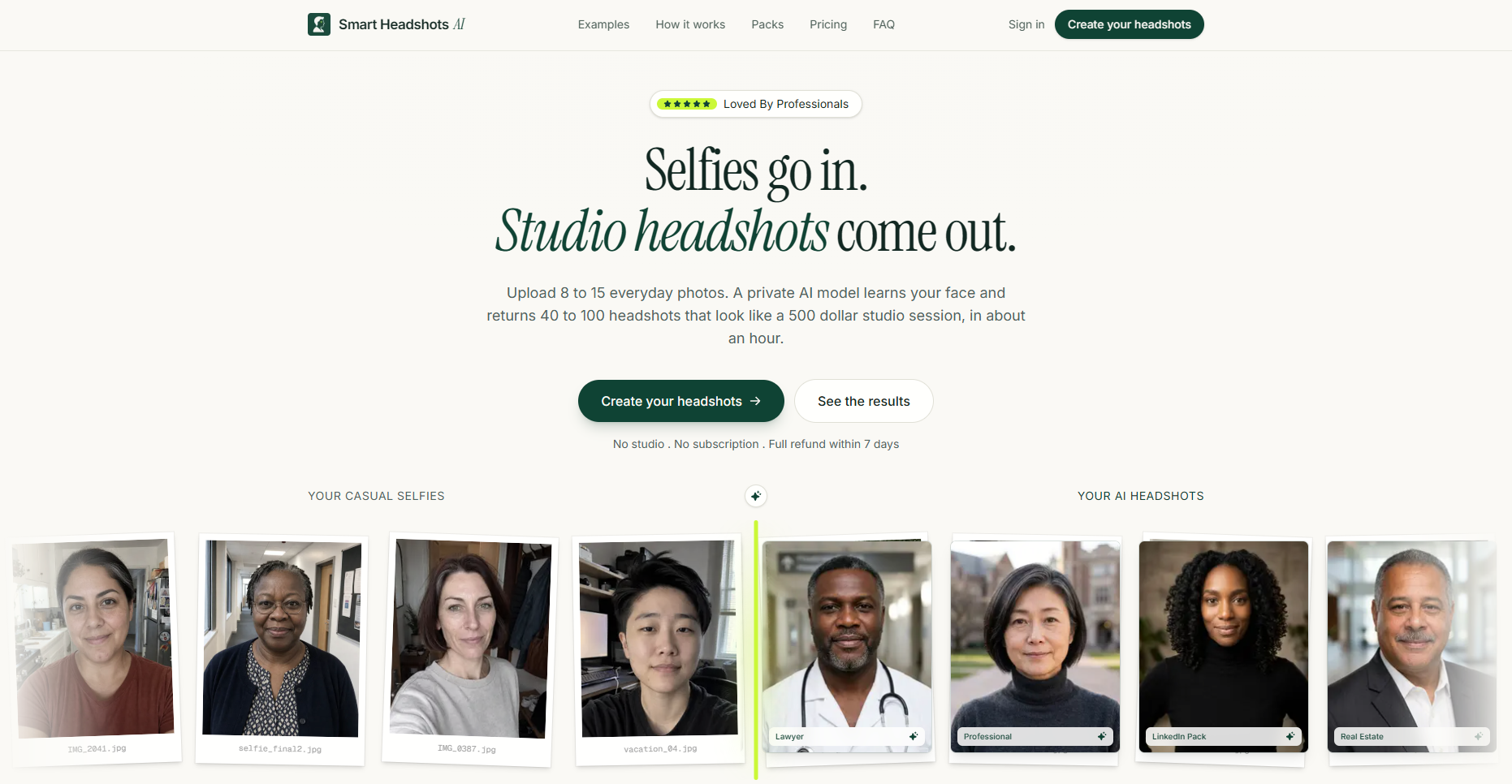
Turn 8–15 selfies into 40–100 professional AI headshots for LinkedIn, company profiles and press kits.